

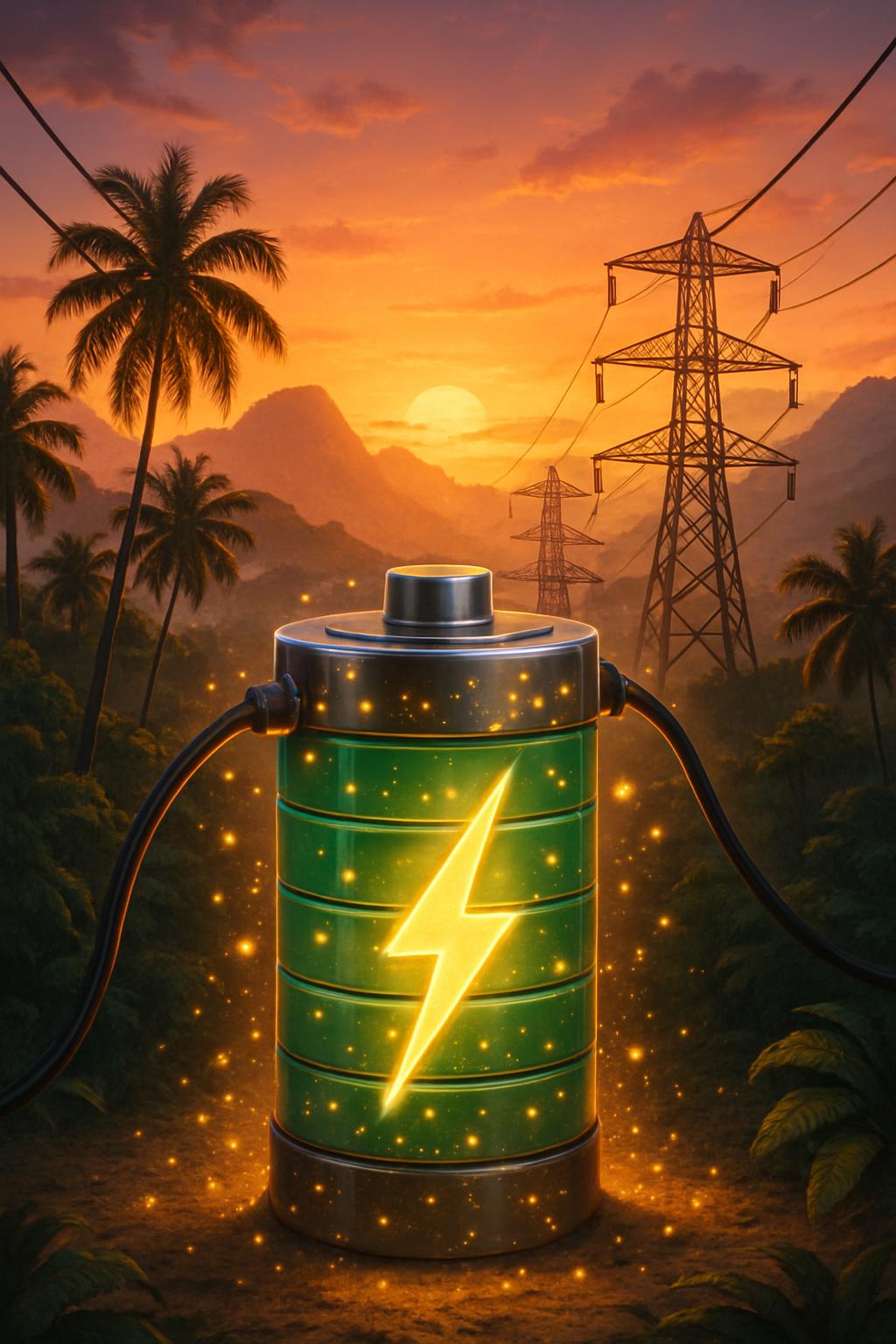
This morning CATL did something big. It released its long-awaited sodium battery. The chemistry promises up to 10 000 deep charge cycles almost doubling the effective battery life to around 20 years in regular use and due to the use of abundant, cheap sodium, much lower price per kWh.
The sodium battery is the revolution we’ve been waiting for!
The sodium chemistry is going to weigh more, sure. It’s going to be lower Wh per kg than LFP, sure, but the price per Wh is what counts here: the sodium chemistry saves precious lithium to be used in existing LFP chemistries, and most importantly, in the already emerging solid state market. The revolution is in the price. Sodium lowers battery prices across the board, making them structurally more viable than fossil fuels in nearly all applications fathomable.
So, if sodium weighs more than LFP or solid state, where will it be used?
Key use cases for Sodium-ion batteries:
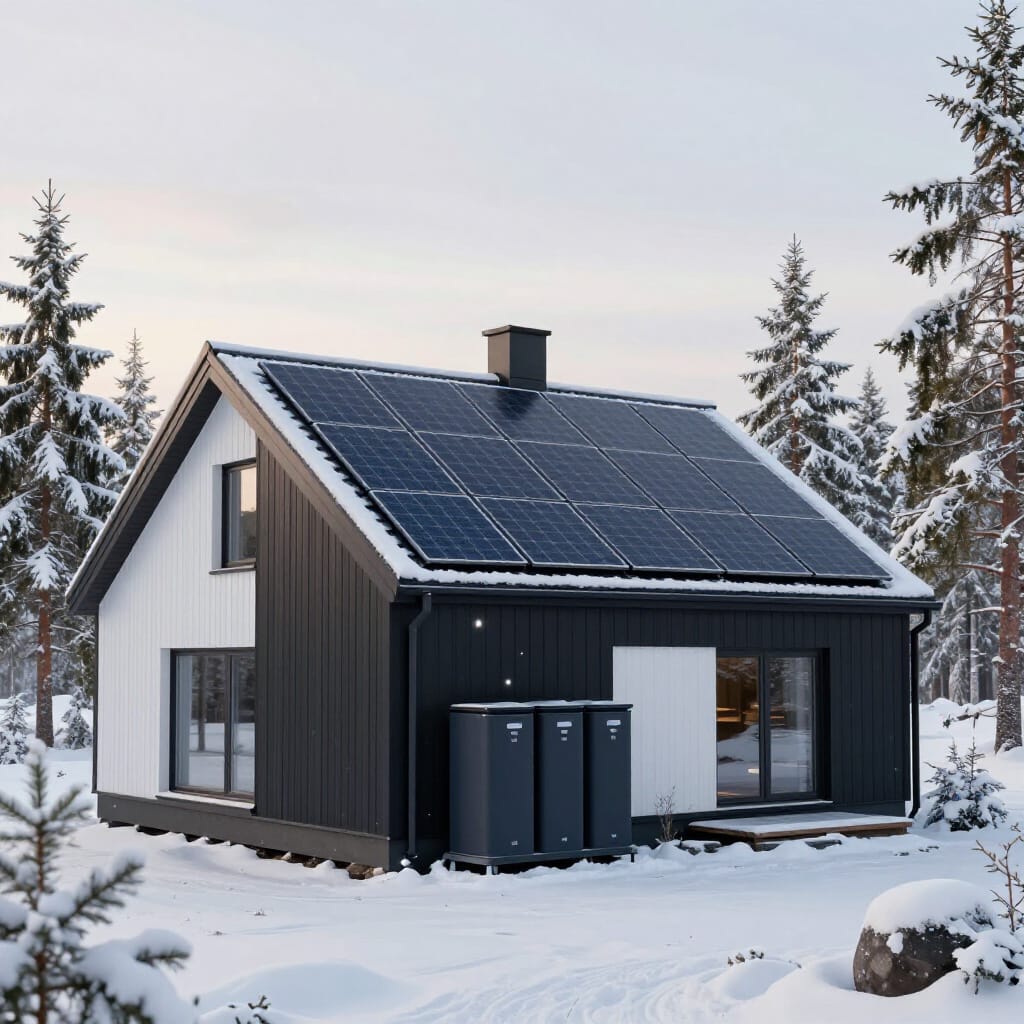
The fastest-growing segment in energy isn’t solar, it isn’t nuclear, and it even isn’t natural gas. It’s energy storage. To be specific, stationary energy storage. Storage is unavoidable, regardless of the type of energy mix, the type and architecture of grid infrastructure or the type of assets using the network: the need is structural. Energy storage in one form or another simply is necessary. This is where sodium-ion provides the most bang for the buck: in grid subsystems, industrial sites, datacenters, public utilities, schools, hospitals, in residential homes. The battery beats the market through negligible energy conversion cost, direct grid access, long lifecycle and a good enough price point per kWh. The magic happens when the resource is in continuous use, meaning the battery is constantly, repeatedly charged and discharged and the battery material recycled to make new batteries. Anything else, be it long-term energy storage, off-grid emergency reserves, portable space heaters for extreme bushcraft and whatever a consumer would use as a strawman in their counterargument against investing into solar and sodium batteries this afternoon, are marginal applications, not something a civil engineer would even bother thinking about.
The revolution is here.