

The science of weight loss from the first sight seems to be simple: calories in must be smaller than calories out. As long as your metabolism is intact and the effects of aging haven’t caught up with you, say you’re under 30 years old, this may be partially true. However, there are other variables as well: the amount of carbs in your diet, ideally small for quick cutting to moderate for long and sustainable. Timing your carbs mostly before midday helps you actually burn them during the day when you’re active. The rest of the macros, added protein to preserve muscle mass and fibers and micronutrients from your greens and fermented foods. But what if you could hasten the process of fat loss? enter polyphenols. Polyphenols aid fat loss by regulating lipid metabolism, boosting oxidation, inhibiting fat storage and reducing inflammation. Sources include healthy oils such as olive oil, and tea, especially green tea.
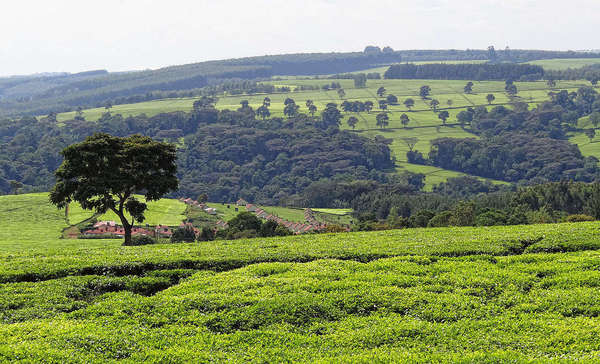
Polyphenols in tea, specifically in green tea, activate the best after moderate aerobic exercise, because then the metabolic pathway driving fat burning is already active.
The polyphenols and their effects are well-known and they certainly help, but why does it seem to work on some people and not on others? this too has to do with timing. The polyphenols are catalysts. In simple terms, when you aren’t exercising they don’t metabolise in your cells the intended way, so the effect will be mainly in reduced inflammation. The magic happens when you take a cup within 30 minutes after your aerobic exercise. The polyphenols stick into your liver that converts Acetyl-CoA from your fat into ketones as a source of energy. The tea boosts your ketosis. The effect is marginal, 5-10% more, but over time noticeable.
But why green tea, why not black tea? well, simple. The polyphenols in green tea haven’t yet reacted in fermentation making chains, which helps them to react faster. The effect in black tea is slightly different, although similar. The longer polyphenol chains together with theaflavins and tannins absorb slower and are friendlier to those with sensitive stomachs. The same beverage, a slightly tuned effect. Personally, I’ve noticed that black tea boosts my metabolism the most when taken slightly after meals, while green tea is the best taken straight after exercise. Technically, Oolong tea would be a compromise, as it has been partially fermented. I’m yet to try it, but I’m certainly curious!
Tea indeed helps in fat loss, but only as a booster with a healthy diet and exercise
Everyone has a unique body, therefore also unique metabolism a little bit different from one another. Also the chronic and general health conditions are slightly different between individuals. The type of diet that has worked for me since my teens (I’m in my early 40’s now, so there’s decades of observation) is composed of easy to digest proteins, namely fish or poultry, cheese and yoghurt or quark, a handful of nuts, olive oil with a dash of butter or sunflower oil, an added portion of greens and a reduced portion of carbs taken in the morning and lunchtime, most calories before noon and a light evening snack as dinner. Some chocolate, especially dark chocolate works. Added chilipepper. Capsaicin boosts metabolism and protects the heart against stress and inflammation. Alcohol at nil to negligible (alcohol instructs the liver to absorb fat instead of burning it) and a routine of light aerobic exercise. Personally I’m not particular of the micronutrients or hi-fi such as reducing tomatoes. I just make sure I get enough Vitamin B, C and D and perhaps add l-Arginine for morning energy if I feel tired at the end of the week or something. Magnesium is the most important mineral followed with Zinc, as these are the usual suspects of any possible shortages. These can be taken as supplements.
Weight-lifting can be incorporated, but by definition it’s hard work, therefore it consumes more calories. Seasons of hard work are the best fit between seasons of weight-loss modulated by cheat days that let the body acclimatize to change in routine.
So, depending on the intensity, I may as an 80-100 kg individual lose about 3-10 kg per month on this routine and reduce my bodyfat percentage from around 30 to around 20. If I want to cut below 20% bodyfat, only then does aq more intense exercise routine become necessary. On the other hand, every personal trainer knows that the gym only simulates a lifetyle led by rural people before the age of machines, so there’s that.